
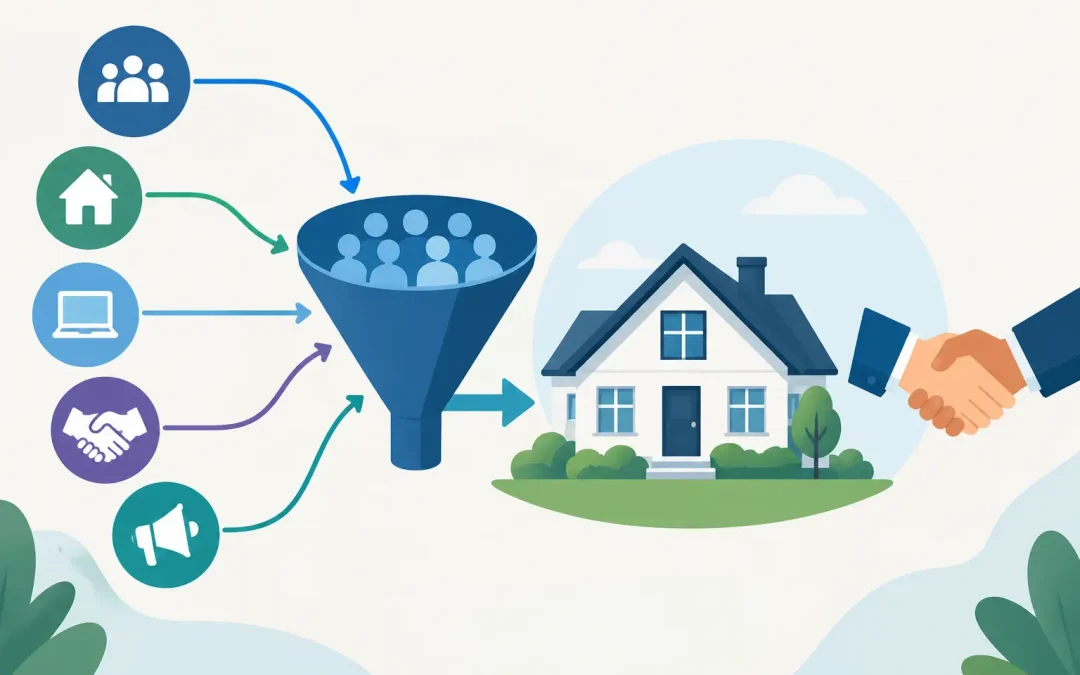
A mortgage lead that arrives after the borrower has already applied with three lenders is not a lead source. It is a race you are likely to lose. The best mortgage lead sources give your team a reason to contact a consumer before the market gets crowded, with enough local data to make the conversation relevant and enough intent to justify the cost.
For mortgage brokers, lenders, and loan officers, the real question is not where to buy names. It is which trigger creates a borrower opportunity your team can act on quickly. Timing, geography, data freshness, and follow-up discipline determine whether a list produces funded loans or just a pile of unreturned calls.
Mortgage Lead Sources Ranked by Intent and Timing
Every source has a place. The mistake is treating all leads as equal. A low-cost record with a clear financial trigger can outperform a pricey internet inquiry if the first record reaches your mailbox at the right moment and the second is being called by ten competitors.
Search and paid digital inquiries
Search leads can be strong because the consumer is actively looking for a mortgage, refinance, rate quote, or credit solution. They also cost more, move fast, and are commonly sold to multiple mortgage companies. A prospect who clicks an ad at 10:00 a.m. may receive five calls before lunch.
This channel works when your response time is measured in minutes, your call team has a tight script, and you can afford the cost per funded loan. It works less well for smaller shops that cannot staff rapid follow-up all day. Do not judge paid search by cost per lead alone. Track contact rate, application rate, pull-through, and revenue after closing.
Referral partners and real estate agents
Agent and professional referrals can create high-trust mortgage opportunities. A borrower who comes through a productive real estate agent often has a property in view and a reason to move. The trade-off is control. Referral volume depends on relationships, market conditions, and whether your partners remember you when the next buyer appears.
A referral network is valuable, but it is not a predictable lead engine by itself. Protect your pipeline with prospecting channels you own. That means building a repeatable contact schedule rather than waiting for someone else to send business.
Purchased aged leads
Aged internet leads are inexpensive for a reason. The original inquiry may be days, weeks, or months old. The consumer may have closed elsewhere, lost interest, changed phone numbers, or simply been contacted too many times.
Some teams make aged leads work with disciplined long-term nurture. Most buy them expecting immediate deals and burn budget instead. If you use them, segment by age and product interest, test small batches, and keep the acquisition cost low enough to survive a modest conversion rate.
Credit-trigger and prescreen campaigns
Credit-based campaigns can identify consumers whose behavior suggests a mortgage event. They can offer scale and targeting, particularly for refinance or purchase audiences. But they require careful compliance, meaningful offer strategy, and a budget that accounts for competition from national lenders.
This is not a set-it-and-forget-it channel. Mailing the same generic rate message to every household produces generic results. Match the offer, geographic area, loan program, and creative to the segment you are targeting.
Bankruptcy and discharge records
Fresh bankruptcy activity and discharge records are different because the lead is tied to a known financial-life event. Consumers emerging from bankruptcy may be rebuilding credit, replacing a vehicle, stabilizing housing, or reassessing their borrowing options. That does not mean every record is mortgage-ready on day one. It means the timing can create a valuable early conversation before broad consumer inquiry channels light up.
For mortgage marketers serving credit-challenged borrowers, court-based data can be an efficient way to find locally relevant prospects without paying for recycled form fills. The strength is not just the record itself. It is the ability to receive current records consistently, filter by geography, and build a direct-mail and follow-up cadence around the event.
What Separates a Productive Lead Source From a Cheap List
The cheapest record is often the most expensive one. If your reps spend hours dialing bad numbers, working records outside your lending footprint, or chasing consumers who were contacted months ago, your list price was never your real cost.
Evaluate mortgage lead sources against four operating questions:
- How fresh is the data when your team receives it?
- Can you target counties, ZIP codes, or practical lending territories?
- Is there a clear event or intent signal behind the record?
- Can your staff contact and nurture the prospect before the opportunity expires?
Freshness matters because intent has a shelf life. A weekly delivery schedule is usually more usable than a giant quarterly file that leaves your team sorting through old names. Geographic control matters because a mortgage opportunity outside your licensing area is not an opportunity at all.
Data fields matter too. At minimum, your campaign needs accurate names and addresses for mail, plus contact information where available and appropriate. For bankruptcy-based outreach, case status, filing date, discharge information, and county can help shape timing and segmentation. Your mail piece should not read like a court record. Use the data to target better, then speak to the consumer like a person who needs a practical next step.
Build a Lead Mix Instead of Betting on One Channel
A healthy mortgage pipeline does not depend on a single faucet. Search volume changes. Referral partners get busy. Interest rates move. A durable acquisition plan combines fast-response leads with lower-cost outbound channels that keep working every week.
Use digital inquiries for immediate demand if your team can respond fast. Maintain referral relationships for trust and purchase transactions. Add targeted direct mail to create conversations before a consumer fills out a web form. For subprime and post-bankruptcy mortgage programs, fresh court activity can give your team a specific, local audience to work consistently.
The mix depends on your product. A conventional purchase lender may prioritize agent partnerships and first-time buyer campaigns. A lender with flexible credit programs may find more value in discharged bankruptcy records and credit-rebuild messaging. There is no universal best source. There is only the source that fits your loan products, capacity, market, and follow-up speed.
Make Direct Mail Do the Heavy Lifting
Mortgage marketers often dismiss direct mail because they compare it to the instant gratification of a web lead. That is the wrong comparison. Direct mail is a targeting tool and a credibility tool, especially when it reaches a consumer at a meaningful point in their financial timeline.
A good mortgage mail piece is direct. State the possible benefit, give the prospect a clear reason to respond, and make the next action easy. Avoid vague branding language and crowded offers. If you specialize in credit recovery or nontraditional borrower scenarios, say so clearly without making promises you cannot support.
Consistency matters more than one oversized drop. Weekly records allow you to mail prospects close to the trigger event, measure response by batch, refine creative, and keep your sales team supplied without flooding them. RED-INK was built around this model: manageable, current bankruptcy-based records delivered for marketers who need leads they can work now.
Your follow-up must match the campaign. Send the mail, then use permitted outreach methods to make timely contact. Train loan officers to ask discovery questions, not force a product pitch on the first conversation. A recent discharge may signal a future homebuyer, but the timeline, down payment, income, and credit rebuild progress still need to be understood.
Measure Funded Loans, Not Activity
Calls made, mail pieces sent, and leads purchased are activity metrics. They do not tell you whether a source is profitable. Track each source from delivery through contact, appointment, application, approval, close, and net revenue.
Keep source codes separate. If bankruptcy discharge records, aged leads, and paid-search inquiries all land in the same CRM bucket, you cannot tell what is producing. Track campaign date, geography, product type, and creative version. Over time, this shows where your best borrowers come from and which markets deserve more budget.
Give outbound campaigns enough time to mature. A search lead may convert quickly. A direct-mail prospect may call after the second piece or respond months later when their finances improve. The right attribution window depends on your lending cycle, but it should be long enough to capture real borrower behavior.
Protect the Campaign With Compliance and Good Judgment
Targeted marketing is not a substitute for compliance. Use approved creative, honor opt-out requirements, follow applicable federal and state rules, and have qualified compliance counsel review campaigns involving bankruptcy, credit, or lending claims. Fair lending principles apply to your marketing decisions as well as your underwriting.
Be accurate about what you offer. Do not imply guaranteed approval, guaranteed rates, or an affiliation with a court or government agency. Clear messaging protects your reputation and improves lead quality because consumers understand why they are responding.
The best lead source is the one your team can contact quickly, serve honestly, and convert profitably. Start with a defined territory, a manageable weekly volume, and a campaign your loan officers will actually work. Then let the funded-loan data tell you where to put the next dollar.