
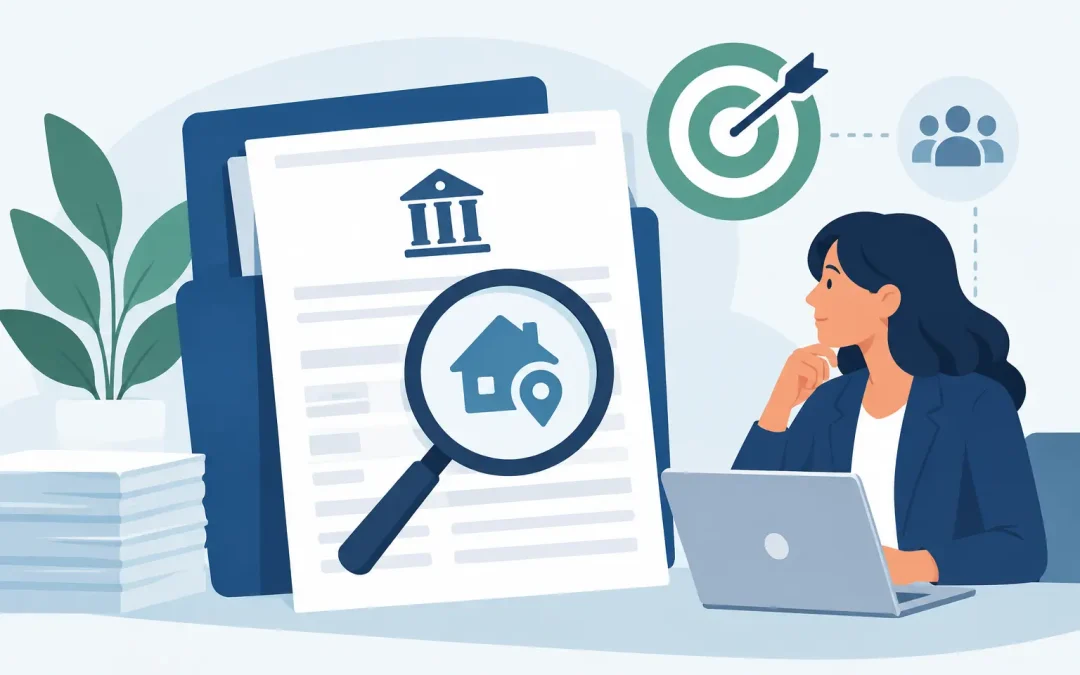
A bankruptcy filing can be the trigger event your sales team has been waiting for. The question is simple: do bankruptcy records include addresses? In many cases, yes. Bankruptcy petitions typically contain a debtor’s mailing address, alongside identifying case information that makes court activity useful for local, direct-response campaigns.
But do not confuse a public filing with a plug-and-play marketing list. The value is in how the records are sourced, processed, filtered, updated, and delivered. A stale national file full of incomplete records burns postage, wastes follow-up time, and gives special finance marketers the same bad reputation as every generic list broker.
For dealerships, mortgage professionals, and lenders, the better question is not merely whether an address exists. It is whether you can get current, geographically relevant bankruptcy data at the right moment to put a qualified offer in front of a consumer.
Do Bankruptcy Records Include Addresses for Marketing?
Bankruptcy court filings generally include a debtor’s name and address because the court, creditors, trustee, and other parties need a reliable way to send notices. A voluntary bankruptcy petition asks the filer to provide residence or mailing information, and that information becomes part of the court record subject to court rules, redaction requirements, access procedures, and applicable law.
That means address data can be available from bankruptcy activity. It also means the exact address available in a record can vary. A filing may show a street address, a mailing address, a post office box, or an address that has since changed. Some records may be incomplete, sealed, restricted, or affected by redactions. No serious data provider should promise that every case will contain every field.
For direct-mail marketers, this distinction matters. You are not buying the abstract fact that someone filed. You are buying a usable opportunity: a recent filing or discharge record tied to a consumer in your market, with enough accurate information to support targeted outreach.
What Information Is Commonly Found in Bankruptcy Data?
Address information is only one piece of a bankruptcy record. Depending on the case, court source, data processing standards, and record type, useful fields can include the debtor’s name, case number, chapter filed, filing date, discharge date, county, court district, attorney information, and status indicators.
Those fields create timing. A Chapter 7 filing, a Chapter 13 filing, and a discharge are not interchangeable events. They can point to different consumer circumstances, different financing conversations, and different outreach windows.
A recent Chapter 7 discharge, for example, may signal a consumer who is emerging from a financial reset and beginning to consider transportation, housing, or credit rebuilding. A dealer selling special finance vehicles does not need a massive database of everyone who has ever had credit trouble. That dealer needs current local records that support a well-timed offer and a disciplined follow-up process.
The same principle applies to mortgage marketers. Bankruptcy activity can help identify consumers who may be planning their next move, but campaign eligibility and messaging depend on the loan program, bankruptcy chapter, discharge timing, credit profile, and underwriting rules. Court data creates a prospecting signal. It does not replace qualification.
Why the Address Field Is Only as Good as the Timing
An address from a bankruptcy petition can be accurate when filed and still become less useful over time. Consumers move. Mail is forwarded. Cases progress. Purchase intent changes quickly. That is why old bulk files often disappoint marketers who expected fast conversions.
Freshness is the difference between a campaign with momentum and a campaign that feels like it was mailed to a museum archive. If your team receives records weeks or months after the relevant court event, you may be competing against dealerships, lenders, and brokers that already contacted the prospect.
Weekly delivery is built for action. It lets your operation receive manageable batches, map records to your actual selling area, trigger mail pieces quickly, and measure results without swallowing a bloated list that nobody can work. A smaller, current file often produces a better return than a cheap, oversized file with questionable age.
Filing Records vs. Discharge Records
Marketers should be precise about which event they want. Filing records and discharge records support different strategies.
Filing data identifies consumers at the beginning of a bankruptcy case. It can be valuable for marketers who understand the restrictions, timing, and sensitivity involved in contacting people during an active case. The message must be carefully considered. An aggressive sales pitch delivered at the wrong time is not a strategy.
Discharge records identify consumers who have completed a key stage of the process. For many special finance and credit-rebuilding campaigns, this is a more practical trigger. The consumer may be in a better position to consider a vehicle, explore financing options, or respond to a straightforward direct-mail offer.
Seasoned bankruptcy data serves another purpose. It gives marketers a broader audience of consumers whose bankruptcy event is no longer brand-new but may still be relevant to credit, transportation, or homeownership campaigns. The right choice depends on your product, underwriting parameters, sales cycle, and campaign economics.
How to Use Address-Based Bankruptcy Leads Without Wasting Budget
Start with geography. If your dealership draws from a 30-, 60-, or 100-mile radius, build the campaign around that reality. Paying for records outside your sales footprint makes no sense, period. County, ZIP Code, court district, and local market filters help keep your mail budget pointed at consumers you can actually serve.
Next, match the record type to the offer. A generic “we finance everyone” message is easy to print and easy to ignore. A campaign built for recent discharges, with a clear special finance offer, relevant inventory, and a direct call to action gives the recipient a reason to respond.
Then move fast. Court activity is a time-sensitive lead source. Your mail house, sales desk, CRM workflow, and appointment process should be ready before the data arrives. If it takes three weeks to approve creative and another two weeks to mail, the opportunity is already getting colder.
Finally, track the numbers that matter: pieces mailed, response rate, appointments, applications, approvals, sold units or funded loans, gross profit, and cost per acquisition. Do not judge a bankruptcy list on the number of records alone. Judge it on revenue.
Public Record Does Not Mean No Rules
Bankruptcy records may be public, but responsible marketing still requires discipline. Federal, state, and local rules can affect how data is collected, used, screened, stored, and marketed. Consumer protection laws, privacy requirements, credit advertising rules, telephone and text-message restrictions, and industry-specific lending rules may all apply to your campaign.
Direct mail and phone outreach are not the same channel. A compliant mail campaign does not automatically make a calling or texting campaign compliant. If you use consumer report information, make eligibility decisions, offer credit, or market a regulated financial product, your obligations can become more specific.
Use clear, truthful messaging. Maintain suppression and opt-out processes where required or appropriate. Protect the data you receive. And have qualified compliance counsel review your campaign structure, offers, and channel strategy before launch. Smart marketers do not treat compliance as an afterthought. They treat it as part of protecting campaign ROI.
What to Ask a Bankruptcy Lead Supplier
Before you buy, get direct answers. Ask how often the records are updated, whether delivery is local or national, which bankruptcy events are included, what fields are supplied, and how the supplier handles duplicate records and incomplete data. Ask whether you can receive weekly files instead of a single oversized download.
Also ask what happens after delivery. Can your team use the file immediately for mail merge? Is the geography workable for your sales territory? Are the records organized in a way your CRM, mail house, or sales manager can use without hours of cleanup?
RED-INK focuses on bankruptcy-based lead delivery for businesses that need current court activity, practical geography, and a cadence built for direct response. That is the standard to look for: records that are ready to work, not a pile of names that creates more labor than opportunity.
The address on a bankruptcy record is not the finish line. It is the starting point for a targeted, timely campaign. Get the timing right, keep the offer relevant, work the leads fast, and let your sales process do what a mass list never can.